
About
GT Fitness and Wellbeing provides inclusive and accessible fitness coaching for people of all ages and abilities.
Our innovative exercise programmes are designed to support overall physical health and mental wellbeing, whilst also supporting the developing key skills and essential body movements that affect all aspects of our clients’ daily lives. We focus on using functional fitness. Our approach means that each movement taught in a session can be easily adapted, enabling every individual to participate, make progress and leave the session feeling more positive than when they started.
Our specialised functional fitness coaching is designed to support development across many areas, including cardiovascular health and muscular strength, as well as the development of motor skills and executive functions, whilst also supporting overall physical health and mental wellbeing.
Whether you’re looking to walk up stairs, enjoy the climbing frame in the park, carry the shopping bags on your own or hit your gym goals, we can support you to live and maintain a more independent, empowering and physically comfortable life.
We're based in Borehamwood, Hertfordshire, and also offer online sessions — so wherever you are, we can support you. If you're ready to start feeling stronger and more capable, get in touch today.


What is Functional Fitness?
Functional fitness is designed to develop strength, balance and coordination in ways that directly apply to real-life activities.
It’s a type of exercise that focuses on improving the ability to perform everyday activities and movements. It's not just about building big muscles or lifting heavy weights, but about enhancing overall strength, flexibility, balance, and coordination to make daily tasks easier and reduce the risk of injuries.
In functional fitness, exercises often mimic real-life movements, such as squatting, bending, pushing, pulling and rotating. The goal is to train the body to function efficiently in various situations that occur throughout the day.
This approach to fitness emphasises the importance of developing a strong core, stable joints and balanced muscle strength. The benefits extend beyond the gym, as children and adults will find themselves better equipped to handle the physical demands of daily life, whether it's carrying shopping bags, playing or simply moving comfortably and confidently.
Functional fitness is a safe way for anyone of any age and ability to exercise.
Why Functional Fitness?
Functional fitness reflects movements we use every day so it has lots of value in all aspects of life. It enables us to build adaptable skills for lasting health and wellbeing, preparing us for whatever life throws our way.

The many benefits of functional fitness include:
Improving strength and endurance
Enhancing overall physical health
Enhancing emotional wellbeing
Managing stress and anxiety
Improving social skills and teamwork
Building resilience and self-confidence
Improving stability and stamina
Developing motor skills, balance, coordination and body awareness
Improving problem-solving, attention and cognitive flexibility
Promoting enjoyment of exercise and physical activity
Meeting Individual Needs
Our fitness programmes support individual needs in a variety of ways.
At GT Fitness and Wellbeing, all our sessions are structured and purposeful to support the client’s ability to engage with the world around them. All movements taught are adapted to the individual, enabling them to fully participate and experience success.
We use a range of strategies to ensure sessions are fully accessible, including:
Adapted communication and instructional styles
Structured choices for a sense of control
Established, consistent routines
Incorporation of special interests
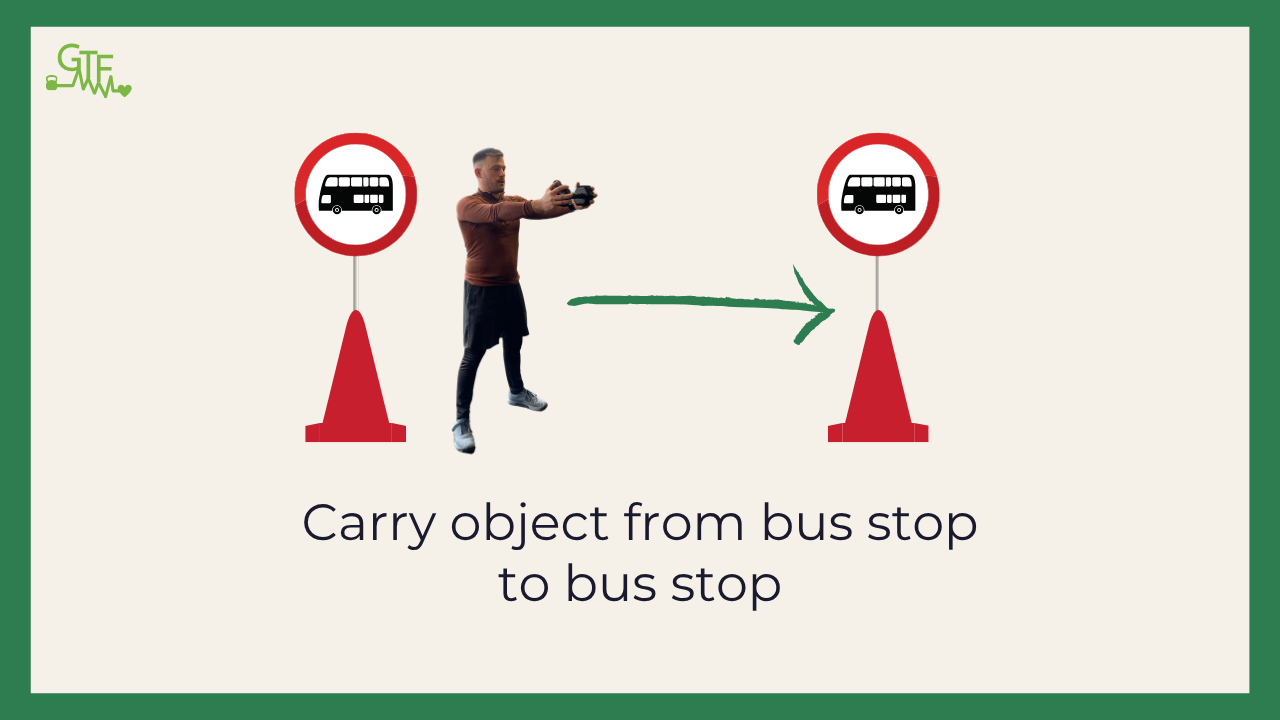
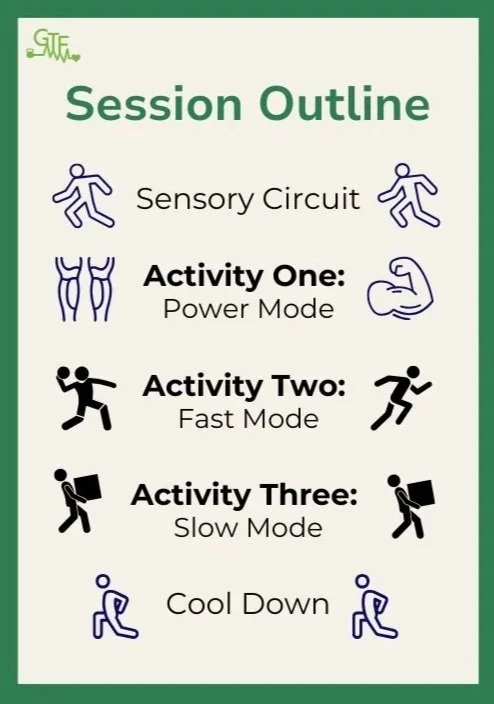
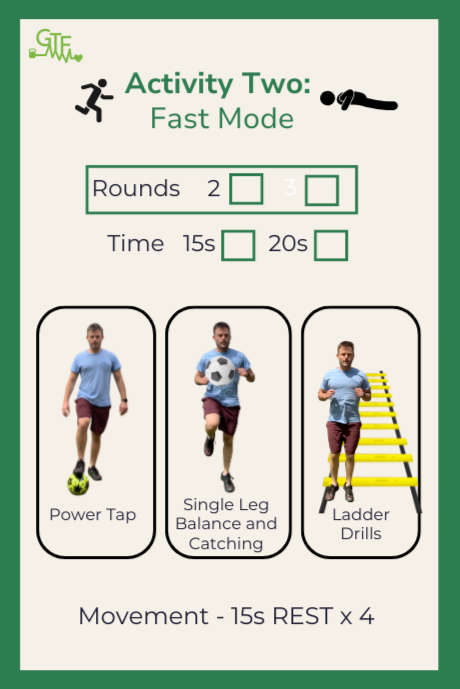
Visual aids and schedules
Use of assisted devices
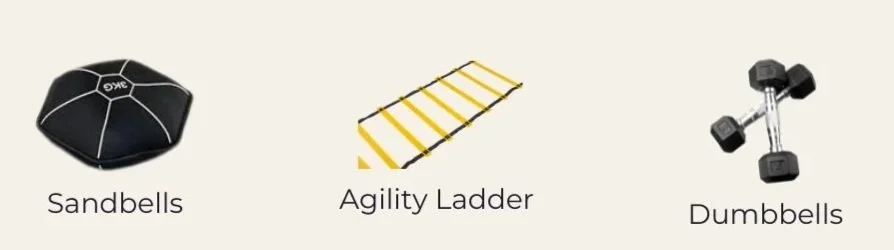
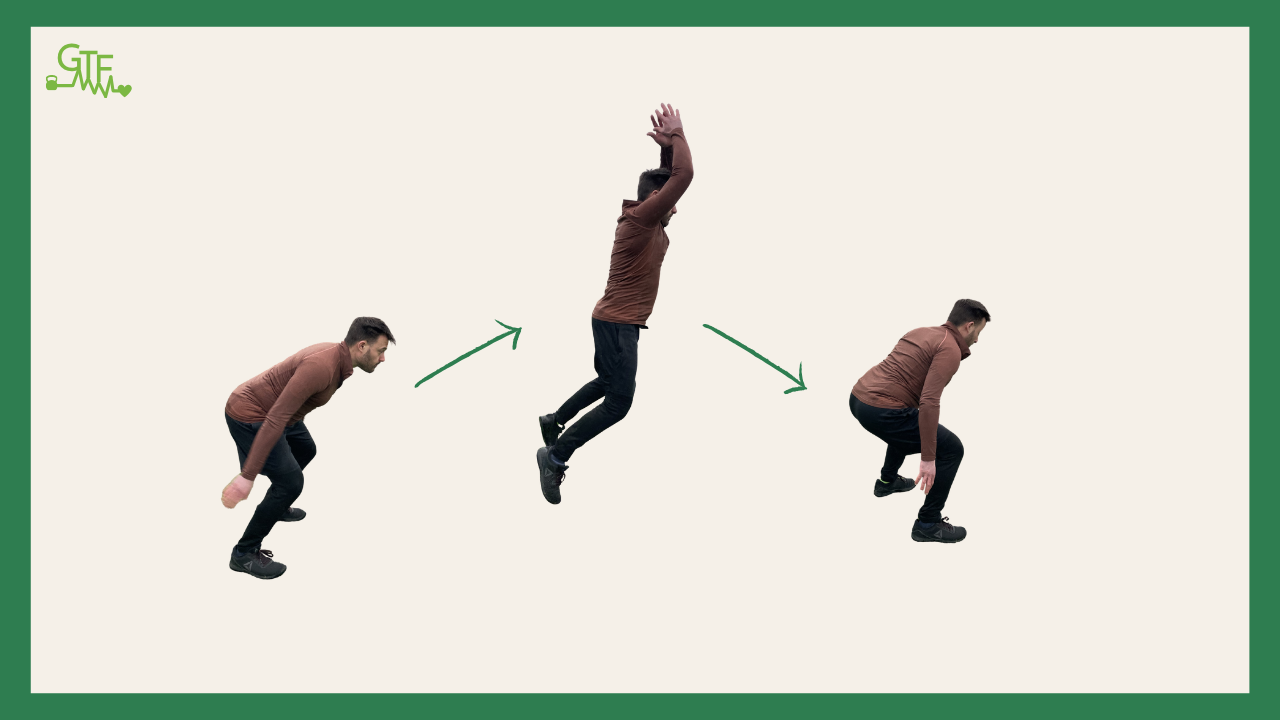
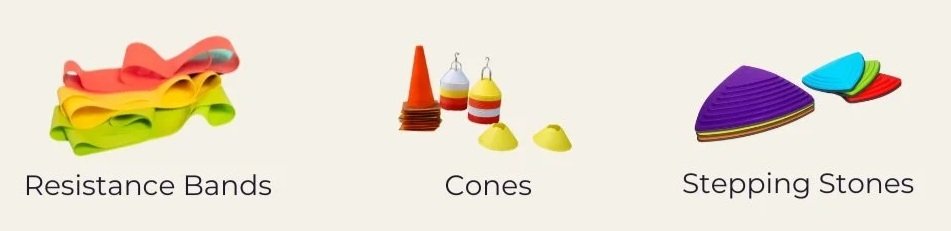
We also use a variety of equipment that enables us to bring versatility to our sessions and incorporate a wide range of functional exercises to support our clients to achieve their outcomes. Our equipment includes:
For more information about how we can adapt sessions to support you or your child, get in touch.